
By Chipfuwo Agriscientist |27 June 2023 | 08:23 am
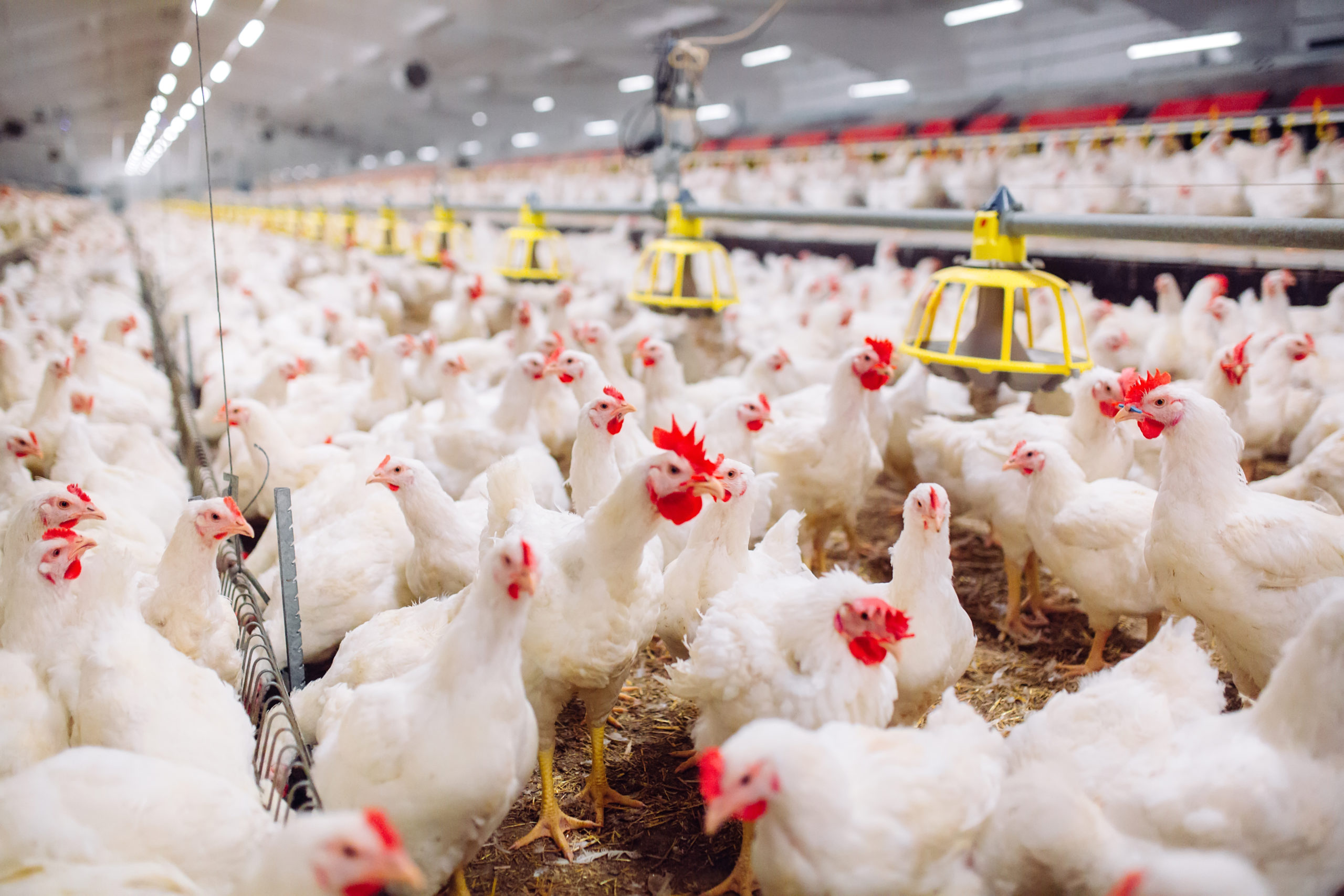
Broiler feeding in small scale production systems of Zimbabwe, constitutes plus 70% of capital spent per enterprise. With the ever-increasing feed costs, it has become more important for producers to minimise feed wastages, contamination and or spoilage. In light of June 2023 market prices, a kilogram of feed wasted translates to financial losses of $0.65 (broiler starter), $0.62 (grower) and $0.60 (finisher).
On- farm feed wastage is not only directly linked to financial losses but also through biosecurity concerns on production sites. Bedding and storage spills may result in attraction of pathogen harbouring vermin and creation of conducive environment for growth and development of harmful microorganisms. This in-turn increases the global carbon footprint since resources, such as water, energy and land are wasted.
On-site feed wastage can be managed through:
Feed Processing. It is a good thing to note that producers are now opting for affordable on-farm feed solutions such use of premixes and concentrates. However, care should be taken at the ingredient processing stage- for instance, milling of maize crushes as an energy source should allow for easy incorporation at the formulation/ mixing stage. This speaks to specific particle size for specific age groups. For bought-in feeds, producers should always buy from reputable suppliers with a history of providing quality products. Uniformity in particle size is key to avoiding preference of larger particles than fines.
Feed Storage Houses. In most small-scale set ups, feed is either stored in the broiler house or a separate room just set aside for storage purposes. These rooms should be clean and free from vermin. Moisture content in storerooms should be monitored to reduce chances of mycotoxin contamination. I have visited farms where rats have consumed and spoiled up to 8% of the feed in stock. Rats play a pivotal role in the spread of most poultry farm infections, through direct mouth contact with feed.
Stockman In-house Training. Most farmers ignore the importance of training stockman who handle the broiler house business. No matter how small the enterprise is, the sister/ brother/ cousin or employee should be well trained on how to manage the production environment on a daily basis. In our line of consultancy work, we always come across situations where stockman overfill feeders to avoid afternoon feeding sessions. Broiler nutrition and environmental research has shown that overfilling feeders lead to feed wastage, spoilage and reduced feed intake.
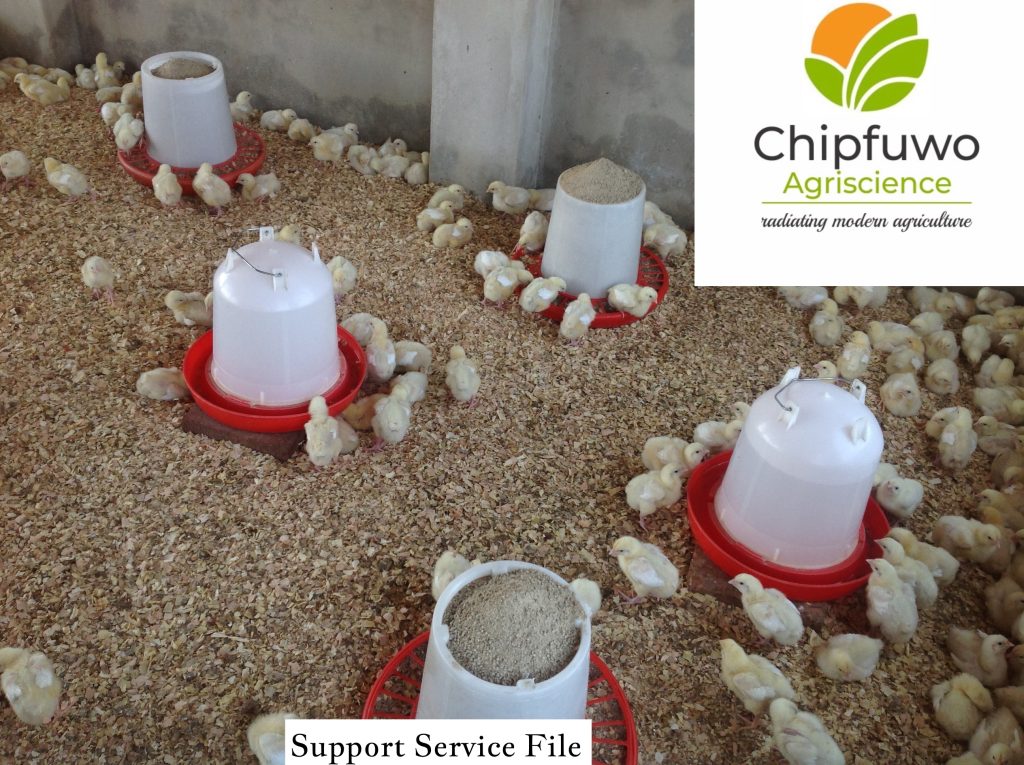
Right Feeder Selection. Feeders refer to equipment used to supply feed to chickens within a broiler house. These are the last piece of equipment that handle feed before it is consumed by the bird. Selection of feeders should be proportionate to the bird’s age and height. Within the first week, it is important to consider plastic or paper trays that cover at least 25% of the floor surface area. Using this type of feeding equipment post one-week may result in feed wastage and spoilage. Feeders with lips will ensure little to no feed wastage. The bucket type feeders should be set at a height that is equivalent to the birds’ back and the feeder should be at least 7cm deep.
…Chipfuwo Agriscientist…
_______________________________________________________________________________________________________
Chipfuwo focus is a weekly agriscience article extracted from Chipfuwo Agriscience®️ field files. It focuses on critical analysis of challenges faced by farmers based on the company’s consultancy work.
Email: consult@chipfuwo.co.zw